

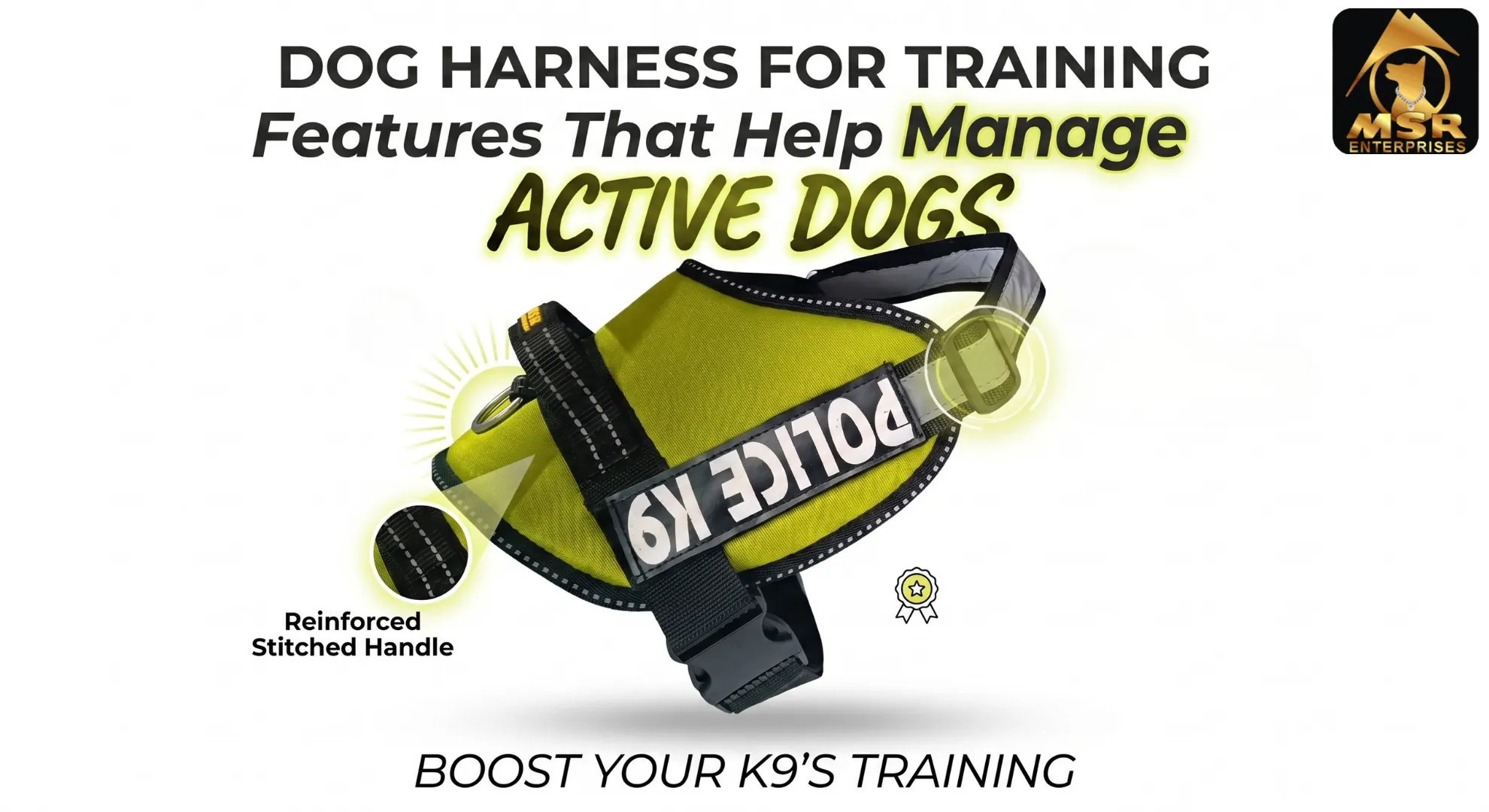
Training an active dog can be challenging, especially when your pet tends to pull, jump, or get distracted during walks. While many pet owners rely on collars, a dog harness for training offers a more effective and safer solution for controlling your dog’s movement while ensuring comfort.
A well-designed harness distributes pressure evenly across your dog’s body, reducing strain on the neck and allowing better control during training sessions. This makes it an essential tool for pet owners who want to improve their dog’s behavior while maintaining safety and comfort.
If you are looking for reliable harness options, you can explore here:
https://msrpetworld.com/product-category/dog-harmess/
What is a Dog Harness for Training
A dog harness for training is a specially designed accessory that wraps around your dog’s chest and torso instead of the neck. Unlike collars, which apply pressure to the neck area, harnesses distribute force across stronger parts of the body, making them safer and more effective for training purposes.
Training harnesses are typically designed with additional features such as reinforced straps, adjustable fittings, and strong attachment points. These features allow pet owners to maintain better control while guiding their dogs during walks or training exercises.
Harnesses are particularly beneficial for dogs that:
- Pull excessively during walks
- Are highly energetic or reactive
- Are still learning basic commands
- Require controlled movement in public spaces
Why Use a Dog Harness for Training Instead of a Collar
Using a harness instead of a collar provides several advantages, especially when training active or strong dogs.
1. Reduces Strain on the Neck and Prevents Injury
One of the most important benefits of using a dog harness for training is that it eliminates direct pressure on the neck. Collars can cause discomfort or even injury when a dog pulls suddenly, especially in breeds prone to respiratory or neck issues.
A harness distributes pressure across the chest and shoulders, which are stronger and less sensitive areas. This reduces the risk of choking, injury, or long-term damage.
2. Provides Better Control Over Active Dogs
Active dogs often require more control, especially in crowded or unpredictable environments. A harness allows you to guide your dog more effectively without relying on force.
With better control:
- You can manage sudden movements
- Prevent pulling behavior
- Maintain stability during walks
This makes training sessions more efficient and less stressful for both the pet and the owner.
3. Improves Training Efficiency and Discipline
A dog harness for training helps reinforce positive behavior by allowing controlled movement and gentle corrections. Unlike collars, which may cause discomfort, harnesses enable you to guide your dog without causing pain.
This encourages better learning and helps your dog respond more positively to commands.
Key Features to Look for in a Dog Harness for Training
Choosing the right harness requires understanding the features that contribute to comfort, safety, and effectiveness.
1. Adjustable Straps for Perfect Fit
A proper fit is essential for both comfort and control. Adjustable straps allow you to customize the harness according to your dog’s size and body shape.
A well-fitted harness:
- Prevents slipping or escaping
- Ensures even pressure distribution
- Enhances overall comfort
2. Strong and Durable Materials
Training sessions can involve pulling, sudden movements, and outdoor conditions. Therefore, the harness must be made from durable materials such as reinforced nylon or heavy-duty fabric.
This ensures that the harness remains reliable even with regular use.
3. Reflective Elements for Safety
Reflective features are essential for visibility during early morning or nighttime walks. They help ensure that your dog is easily visible to others, reducing the risk of accidents.
You can explore a reflective option here:
https://msrpetworld.com/product/dog-reflective-police-k9-harness/
This type of harness combines durability with enhanced safety.
4. Double Chest Support for Better Control
Harnesses with double chest support provide additional stability and control, especially for strong or active dogs.
A great example:
https://msrpetworld.com/product/dog-reflective-double-chest-harness/
This design ensures that pressure is evenly distributed, making it easier to manage your dog during training.
5. Secure Attachment Points
Strong metal D-rings or hooks are essential for attaching the leash securely. These attachment points should be durable enough to handle pulling without bending or breaking.
How a Dog Harness Helps Manage Active Dogs
A dog harness for training is particularly effective for managing dogs that exhibit high energy levels or unpredictable behavior.
When used correctly, a harness:
- Provides better control over sudden movements
- Reduces pulling by distributing force
- Helps maintain a steady walking pace
- Allows gentle corrections during training
This makes it easier for pet owners to guide their dogs without causing discomfort or stress.
How to Choose the Right Dog Harness for Training
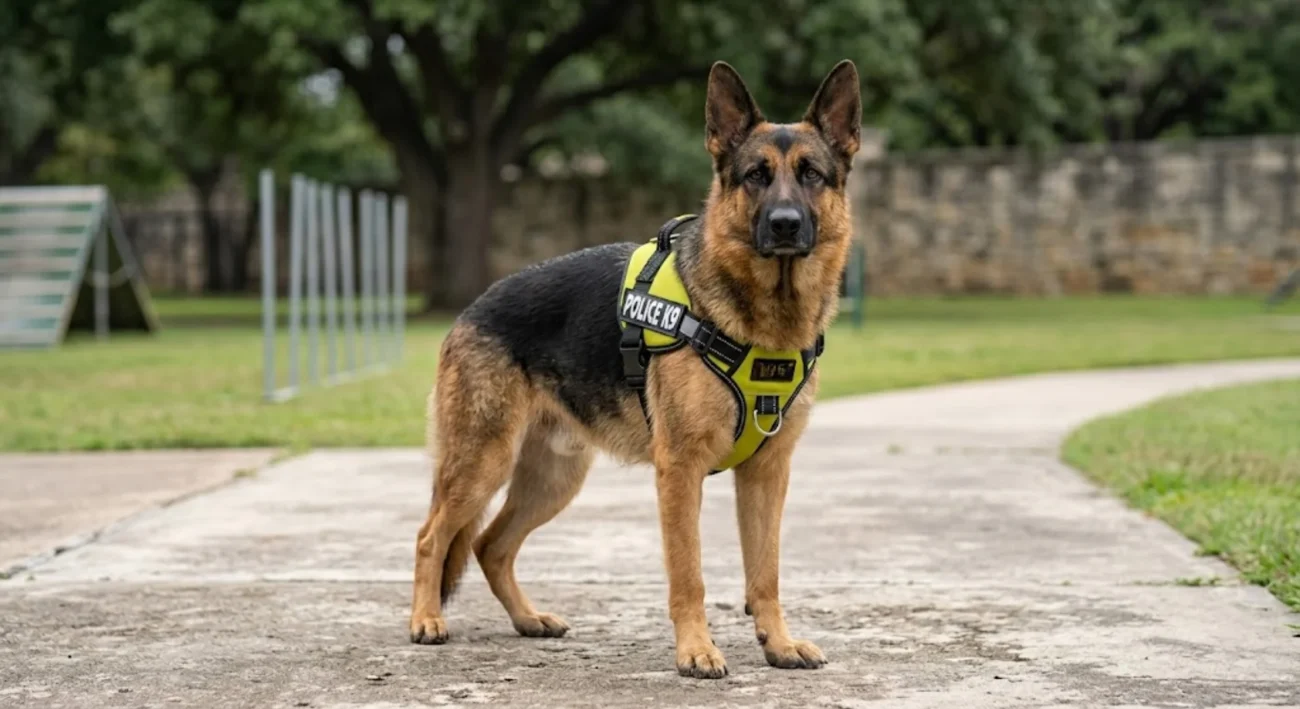
Selecting the right harness involves evaluating your dog’s specific needs and your training goals.
1. Consider Your Dog’s Size and Breed
Different breeds have different body structures and energy levels. Choosing a harness that matches your dog’s size ensures proper fit and control.
2. Evaluate Your Training Needs
If your goal is to reduce pulling, look for a harness designed for control. If you need a harness for general walking, focus on comfort and durability.
3. Check Ease of Use
A harness should be easy to put on and remove. Complicated designs can make daily use inconvenient.
4. Focus on Long-Term Comfort
Since the harness will be used regularly, it should not cause irritation or discomfort. Soft padding and breathable materials are important factors.
Explore more options here:
https://msrpetworld.com/msr-pet-world-shop-page/
Common Mistakes to Avoid When Using a Training Harness
Even the best harness will not be effective if used incorrectly.
One common mistake is choosing the wrong size, which can lead to discomfort or reduced control. Another mistake is not adjusting the straps properly, which can cause the harness to shift during movement.
Using the harness without proper training techniques can also limit its effectiveness. A harness should be used as part of a consistent training routine.
Why a Dog Harness is a Better Long-Term Training Tool
A dog harness for training is not just a temporary solution—it is a long-term investment in your dog’s behavior and safety. It allows you to train your dog effectively while minimizing the risk of injury.
Over time, consistent use of a harness can:
- Improve walking behavior
- Reduce pulling habits
- Strengthen your control and communication
This makes it an essential accessory for responsible pet ownership.
Internal Resource for Better Pet Accessories
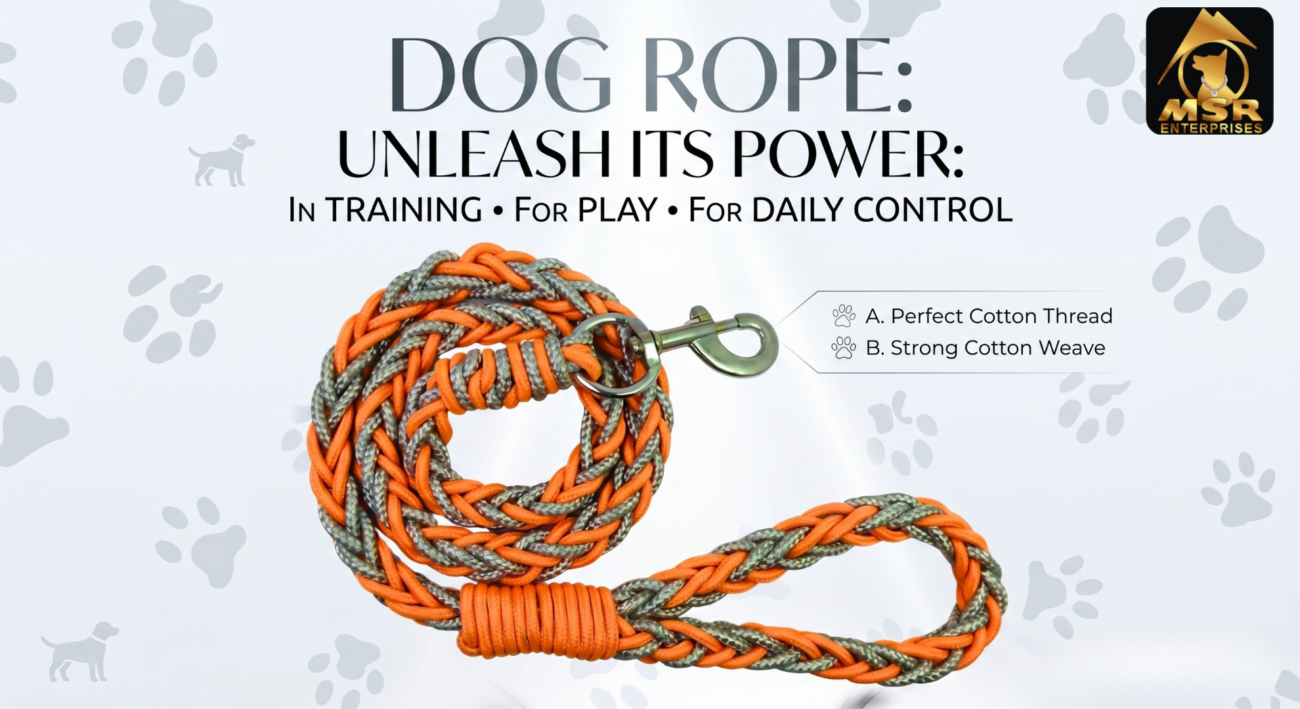
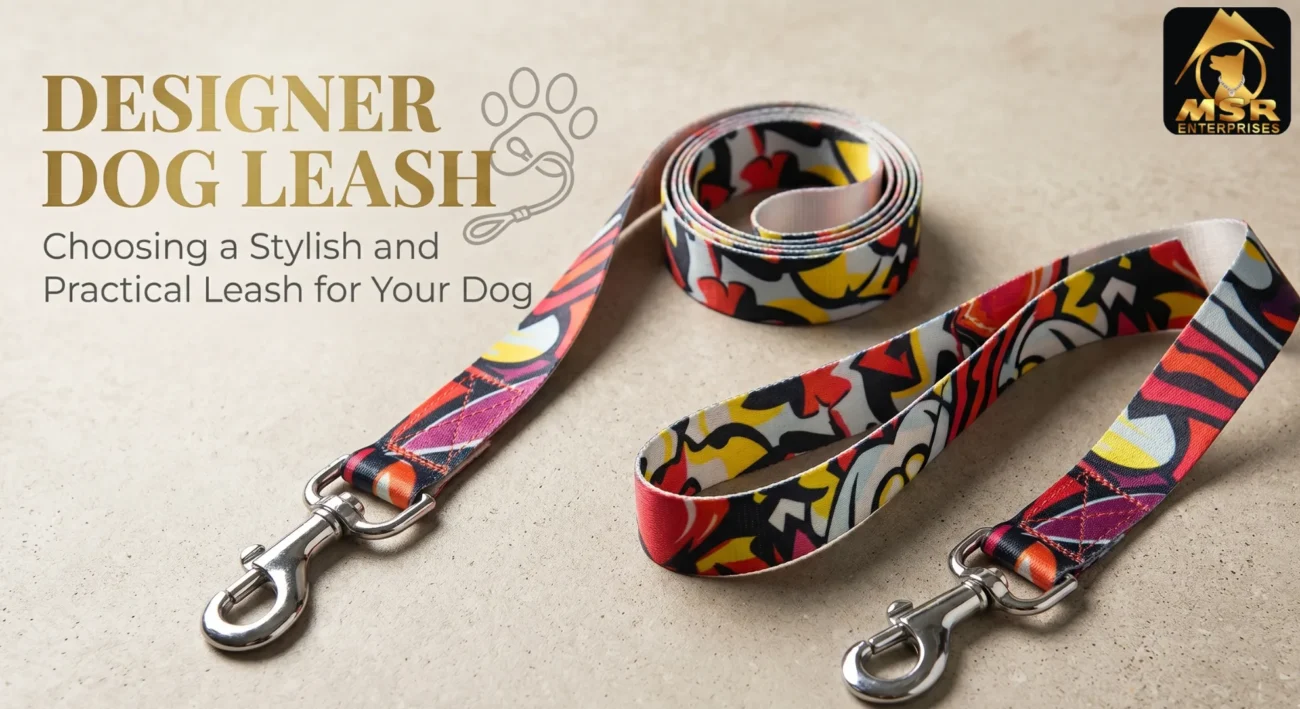
To explore stylish leash options for your dog, you can read:
https://msrpetworld.com/designer-dog-leash-choosing-a-stylish-and-practical-leash-for-your-dog/
Frequently Asked Questions (FAQs)
1. What is a dog harness for training?
A dog harness for training is designed to provide better control and reduce strain on the neck while guiding your dog during walks.
2. Is a harness better than a collar for training?
Yes, a harness is generally safer and more effective because it distributes pressure across the body instead of the neck.
3. Can a harness stop my dog from pulling?
Yes, a properly fitted harness helps reduce pulling and improves control during walks.
4. How tight should a dog harness be?
It should be snug but not too tight, allowing comfortable movement without slipping.
5. Are reflective harnesses necessary?
Reflective harnesses improve visibility and safety during low-light conditions.
6. Can I use a harness for daily walks?
Yes, training harnesses are suitable for both training and daily walking.
7. How do I choose the right harness size?
Measure your dog’s chest and follow size guidelines to ensure a proper fit.


https://shorturl.fm/qTfgv
https://shorturl.fm/wu7N8
https://shorturl.fm/5ngyq