
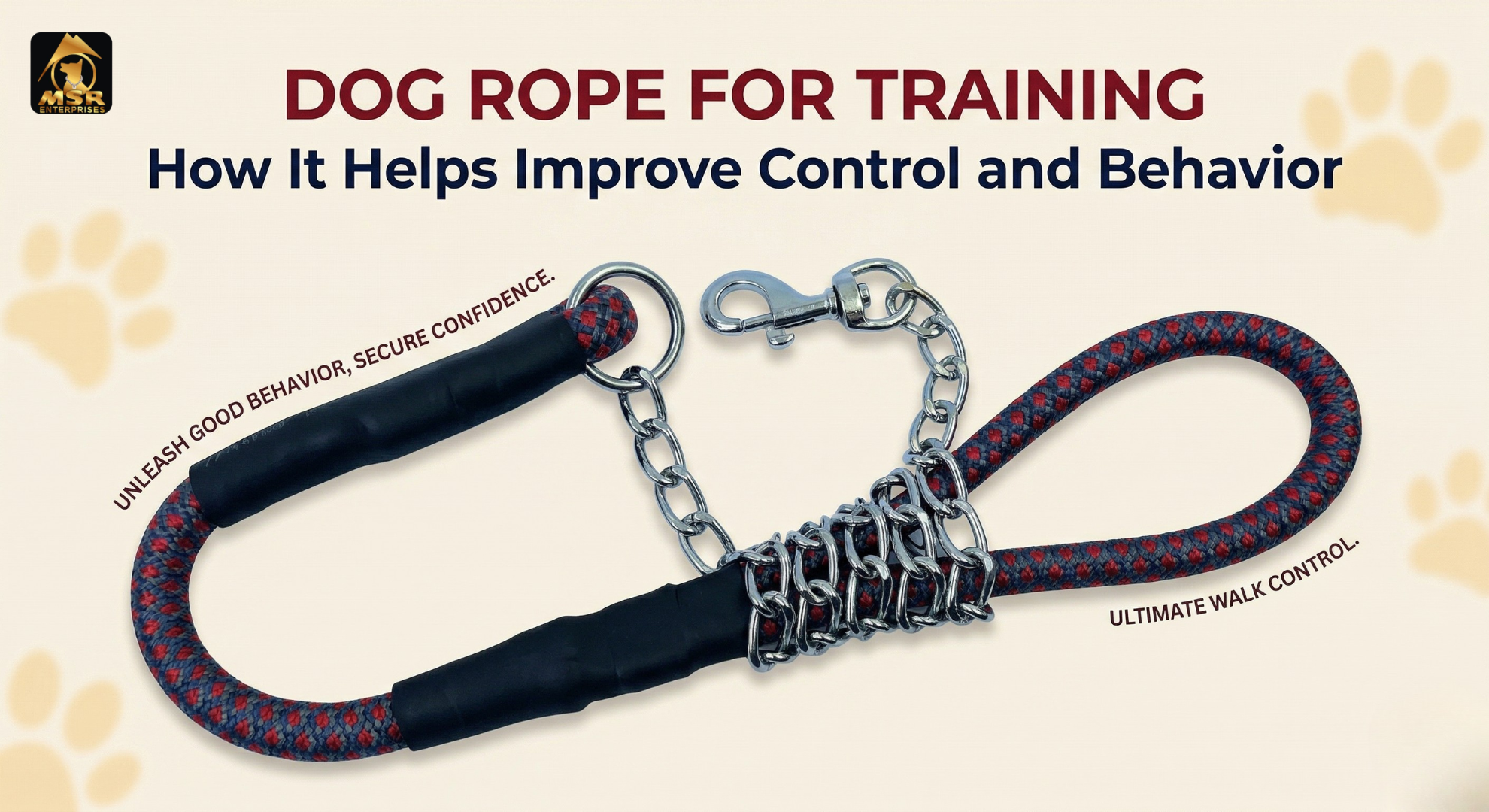
A dog rope for training is one of the most effective tools for improving control, discipline, and overall behavior in dogs. Training is an essential part of responsible pet ownership, and using the right equipment makes a significant difference in how quickly and effectively your dog learns commands. A well-designed rope leash provides the balance between control and flexibility, allowing dogs to move while still being guided.
Unlike standard leashes that are mainly used for walking, a dog rope for training is specifically designed to support training exercises such as recall, controlled walking, and behavior correction. It allows pet owners to communicate better with their dogs and guide them in a structured manner. In Indian environments, where distractions such as traffic, noise, and crowds are common, having a reliable training rope becomes even more important. If you are exploring quality pet accessories, you can browse options at https://msrpetworld.com/.
What Is a Dog Rope for Training and How It Works
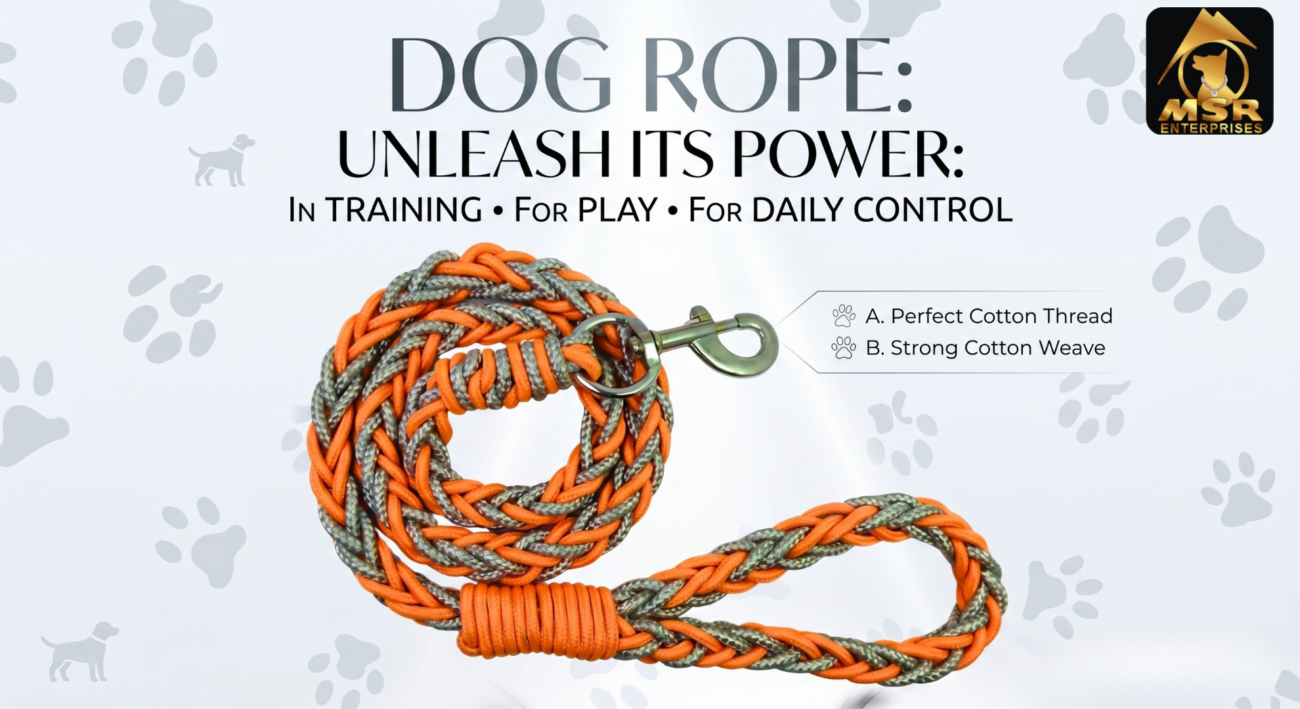
A dog rope for training is typically made from durable and flexible materials such as cotton or reinforced fibers. It is designed to provide a comfortable grip for the handler while ensuring enough strength to handle pulling and movement during training sessions.
The rope structure allows for better control and responsiveness, making it easier to guide the dog during commands. Unlike rigid leashes, rope leashes offer slight flexibility, which helps absorb sudden jerks and reduces strain on both the dog and the handler. This makes them particularly useful for training scenarios where controlled movement is required.
Benefits of Using a Dog Rope for Training
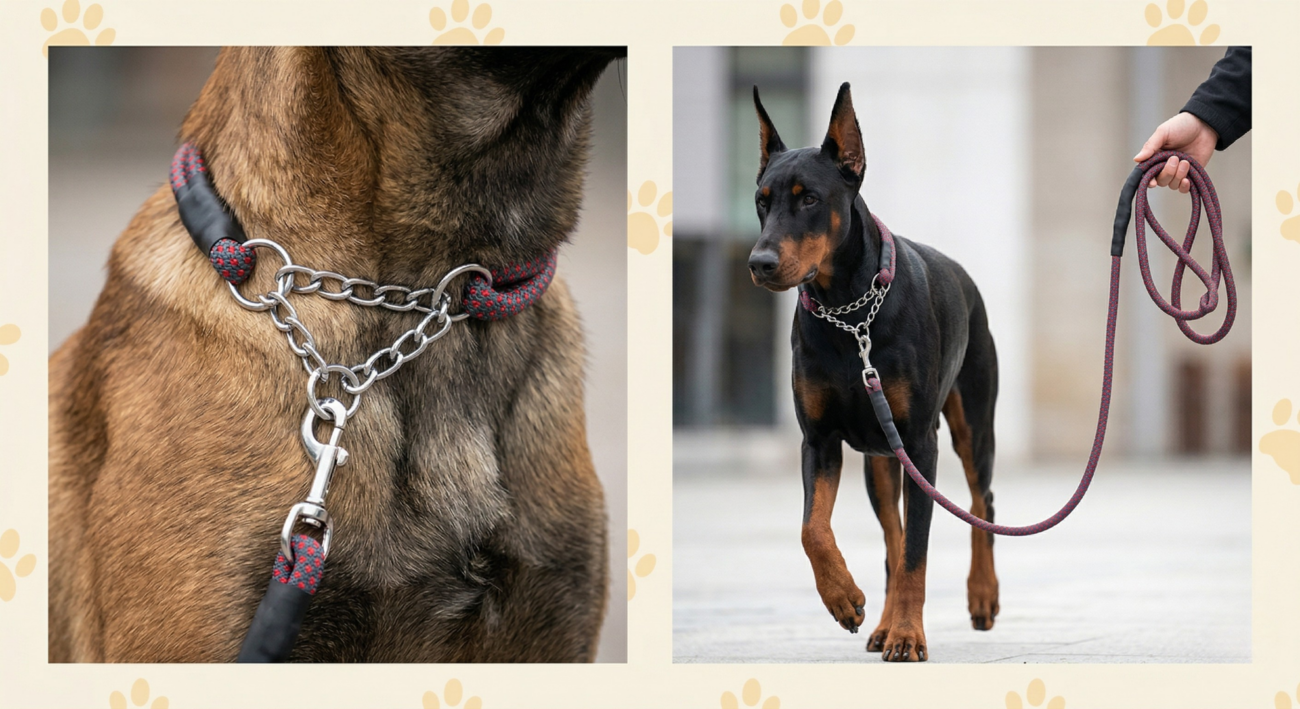
Using a dog rope for training offers several advantages that help improve both obedience and handling.
Better Control During Training Sessions
A training rope provides a secure grip and allows the handler to maintain control even when the dog becomes distracted. This is especially important during early training stages when dogs are still learning to follow commands.
Supports Behavior Correction
A rope leash helps guide the dog gently without causing discomfort. It allows pet owners to correct unwanted behavior such as pulling or sudden movement in a controlled and effective manner.
Improves Communication Between Dog and Owner
Training involves consistent communication, and a rope leash helps transmit signals more effectively. Subtle movements and adjustments can guide the dog’s behavior without the need for harsh corrections.
Durable and Suitable for Regular Use
A dog rope for training is designed to handle repeated use, making it suitable for daily training sessions. Strong materials ensure that the rope remains reliable over time.
Dog Rope for Training
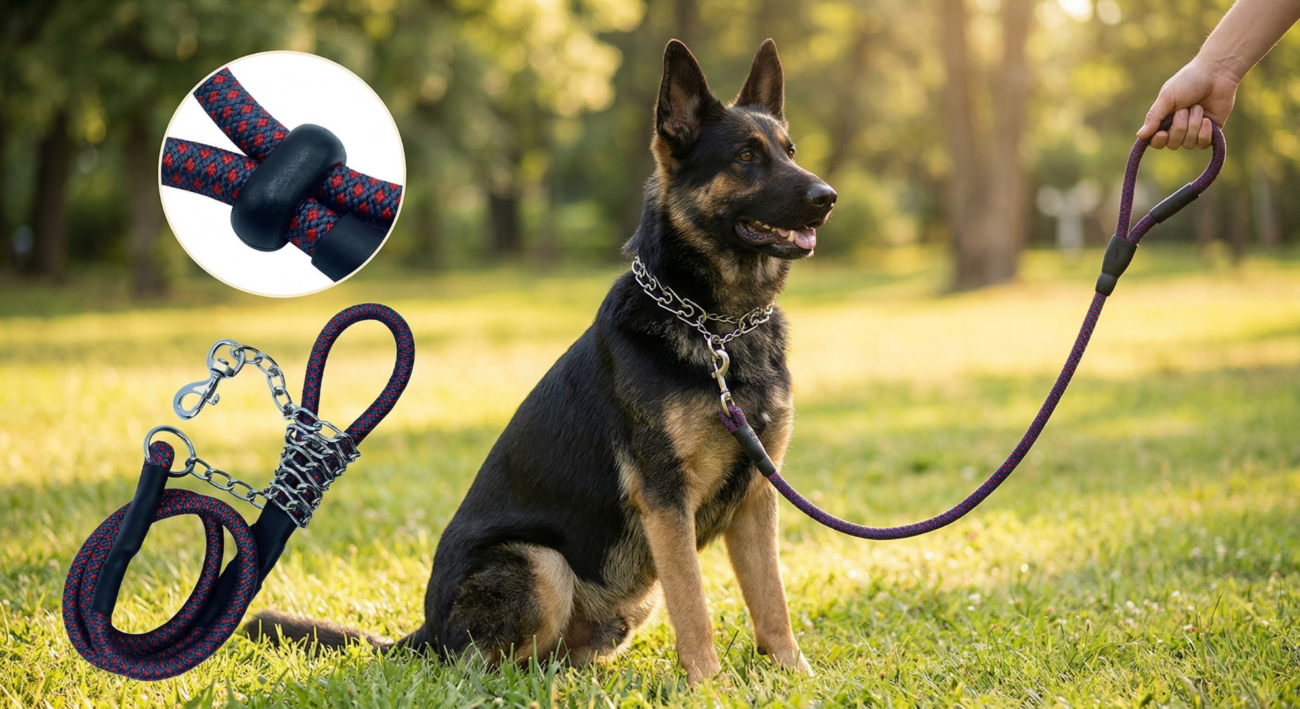
You can explore a practical option here:
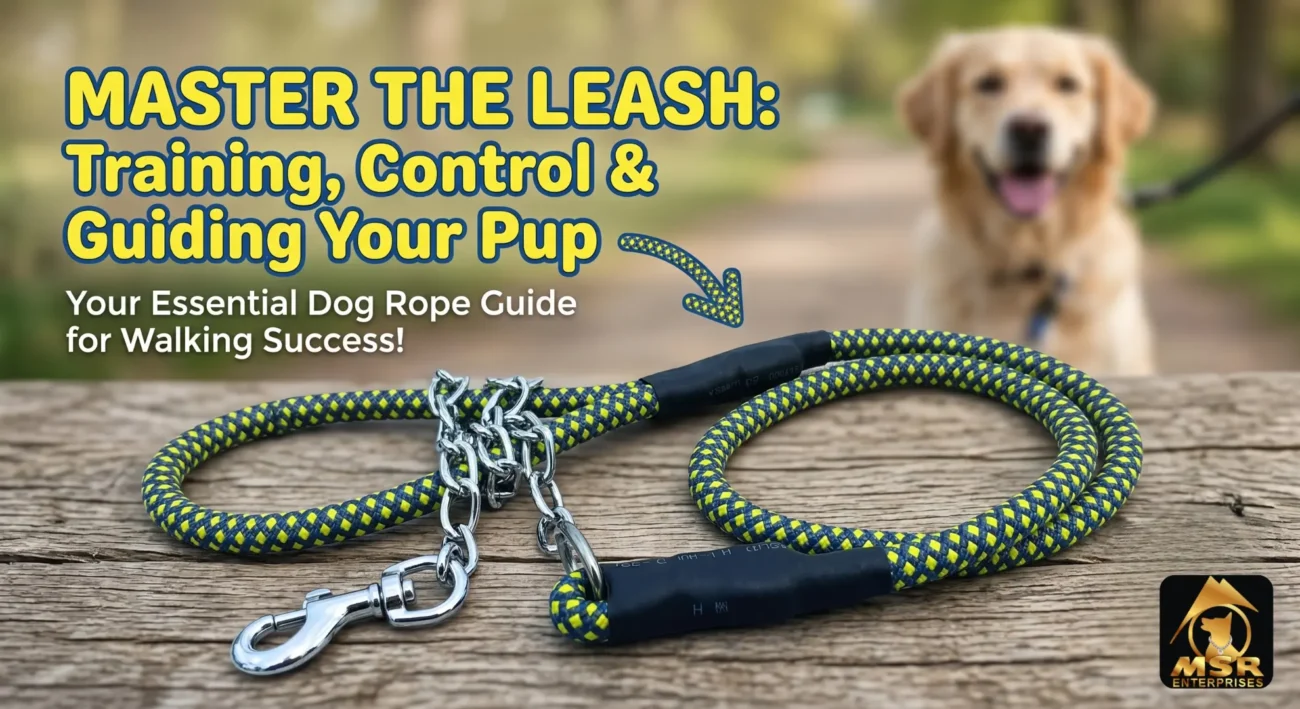
https://msrpetworld.com/product/dog-half-chainhalf-rope-leash/
This type of leash combines rope flexibility with chain strength, making it suitable for training and controlled walking.
How to Use a Dog Rope for Training Effectively
Using a training rope correctly is essential for achieving the best results.
Start With Basic Commands
Begin with simple commands such as sit, stay, and come. Use the rope to guide your dog gently and reinforce positive behavior.
Maintain Consistent Control
Hold the rope firmly but avoid pulling excessively. Consistent and controlled handling helps the dog understand commands more clearly.
Use Positive Reinforcement
Reward your dog with treats or praise when they follow commands correctly. This encourages learning and builds trust.
Gradually Increase Difficulty
As your dog becomes more comfortable, introduce more advanced commands and distractions to improve their response.
When to Use a Dog Rope for Training
A dog rope for training can be used in various situations where control and guidance are required.
During Daily Walks
Training can be incorporated into daily walks by practicing commands and controlled walking.
In Open Training Areas
Parks and open spaces provide a suitable environment for practicing recall and movement control.
For Young or Untrained Dogs
Puppies and untrained dogs benefit greatly from structured training using a rope leash.
Choosing the Right Dog Rope for Training
Selecting the right rope ensures better results and long-term usability.
Choose the Right Thickness
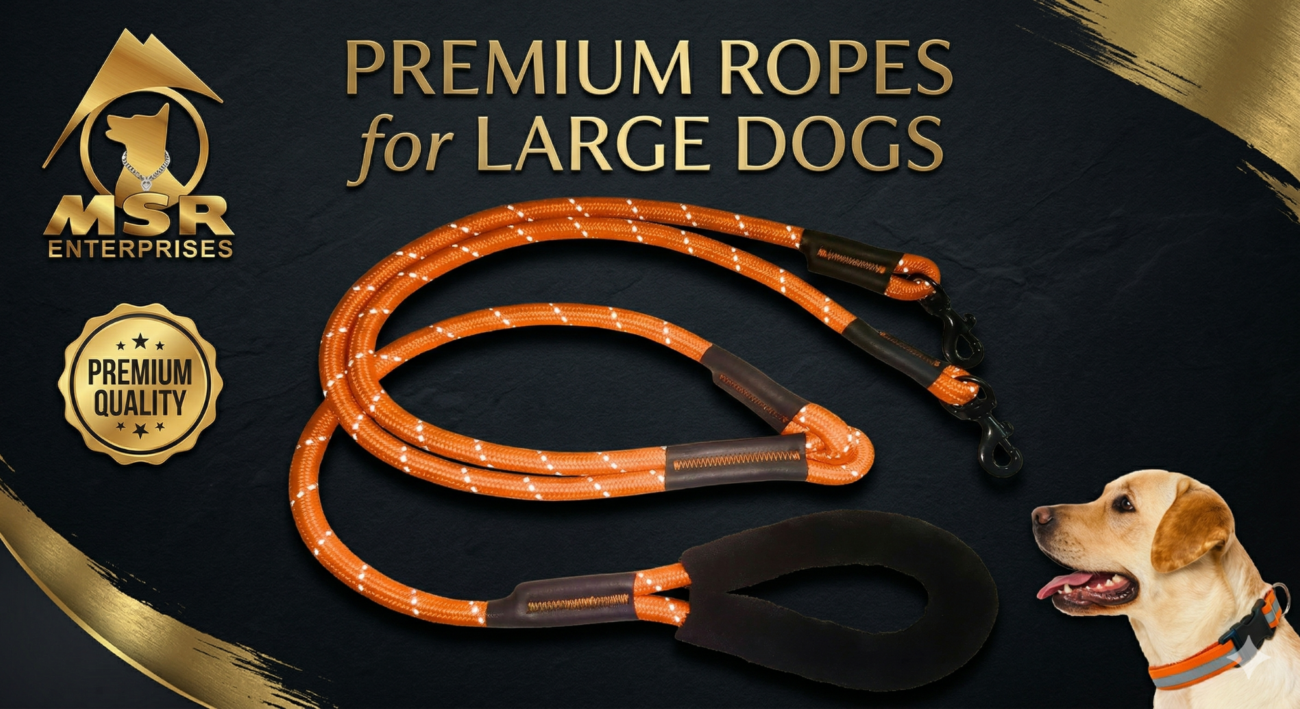
Thicker ropes provide more strength and are suitable for large dogs, while thinner ropes work well for smaller breeds.
Check Material Quality
High-quality materials ensure durability and comfort during use.
Evaluate Handle Comfort
A comfortable grip is important for long training sessions, reducing strain on the handler’s hands.
Maintenance Tips for Training Rope
Proper maintenance helps extend the life of the rope.
- Clean regularly to remove dirt
- Check for fraying or damage
- Inspect hooks and attachments
- Store in a dry place
Regular care ensures consistent performance.
Pairing With Other Training Accessories
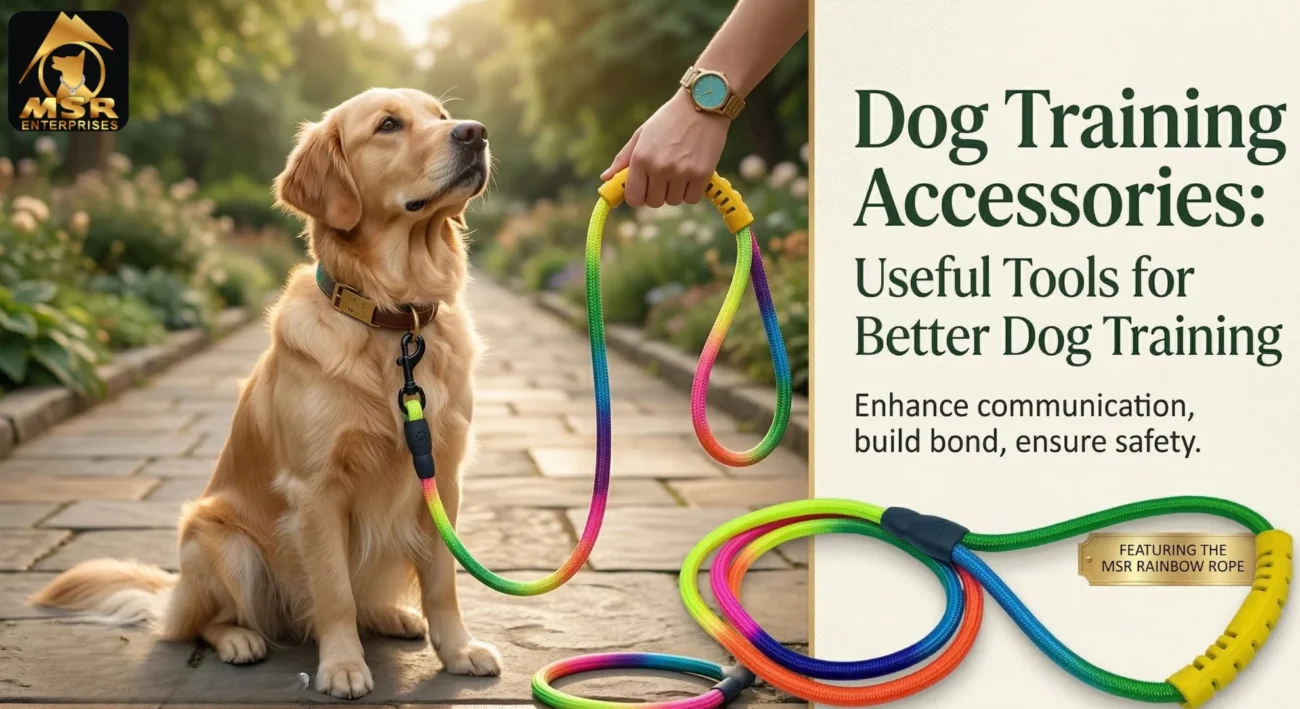
A dog rope for training works best when combined with suitable collars or harnesses that provide additional support.
You can read more about using dog ropes here:
https://msrpetworld.com/how-to-use-dog-rope-a-simple-guide-for-pet-owners/
Using the right combination improves training effectiveness.
Where to Buy Dog Rope for Training Online
To explore reliable rope options, visit:
https://msrpetworld.com/
Buying from a specialized pet store ensures better quality and suitable products.
Frequently Asked Questions
Is a dog rope good for training?
Yes, it provides better control and flexibility, making it suitable for various training exercises.
Can I use a rope leash for daily walks?
Yes, it can be used for both training and daily walking routines.
What material is best for training ropes?
Cotton and reinforced fibers are commonly used for durability and comfort.
How long should a training rope be?
A medium length (5–10 feet) is ideal for most training purposes.
When should I replace the rope?
Replace it if you notice fraying, weakened fibers, or damaged hardware.