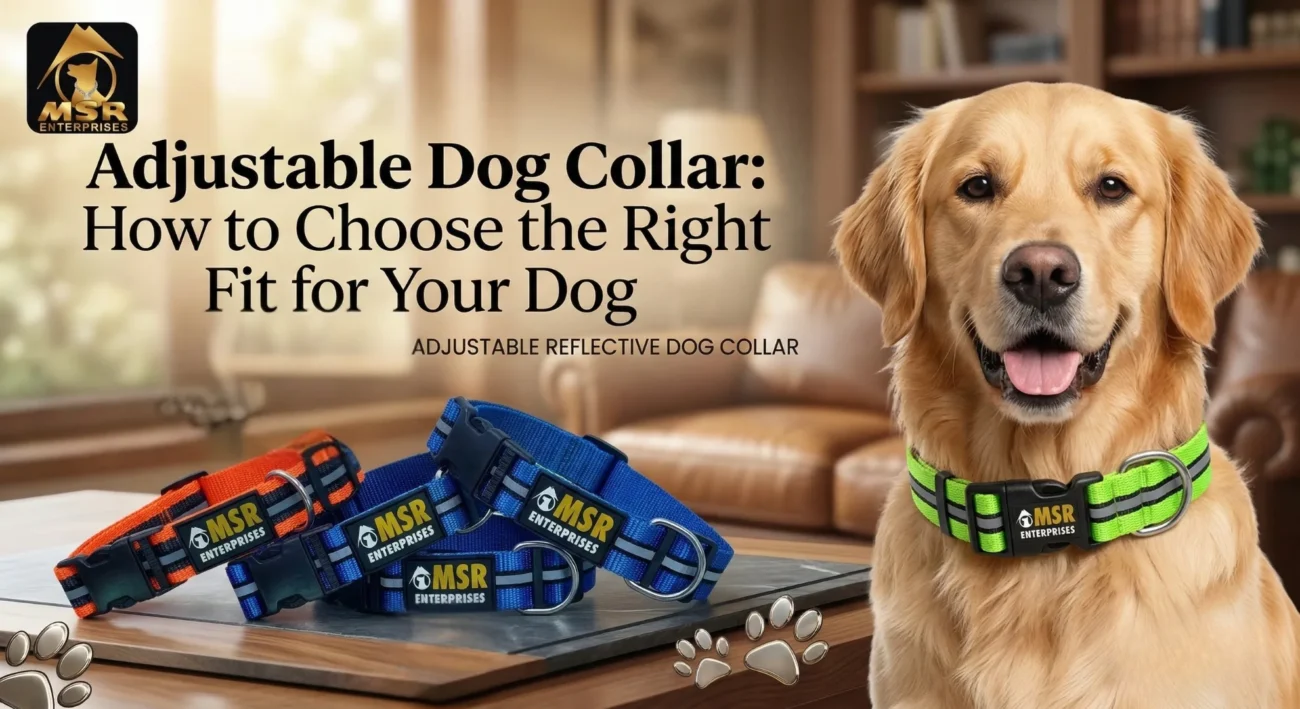

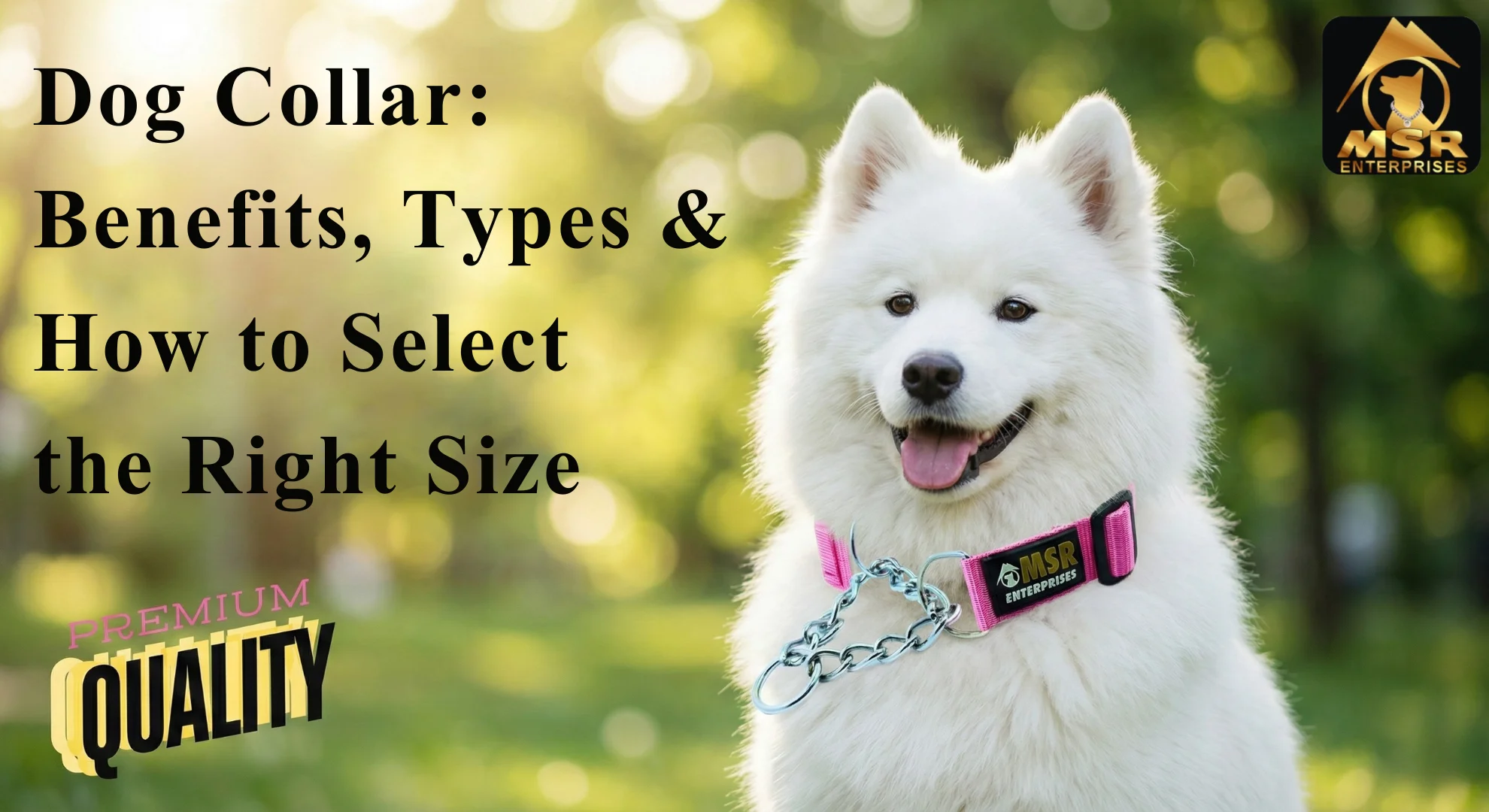
A dog collar is one of the most essential accessories every pet parent must invest in. Beyond being a simple walking accessory, a dog collar plays a critical role in identification, safety, control, and training. Whether you own a small companion breed or a large energetic dog, selecting the right collar ensures comfort while maintaining proper control during daily activities.
In Indian environments, where walking areas can be crowded and unpredictable, a properly fitted dog collar becomes even more important. If you are exploring reliable pet accessories, you can browse suitable options at https://msrpetworld.com/.
Why a Dog Collar Is Important for Every Pet
A dog collar serves multiple purposes beyond attaching a leash. It helps display identification tags, supports training efforts, and ensures your dog can be guided safely in public spaces.
Key benefits of using a well-fitted collar include:
- Secure leash attachment
- Easy identification with name tags
- Improved control during walks
- Assistance in basic obedience training
- Everyday wear convenience
A properly chosen dog collar enhances both safety and functionality in daily life.
Types of Dog Collar Available
Understanding different collar styles helps you choose the best option based on your dog’s size, temperament, and training needs.
Standard Buckle Dog Collar
The standard buckle dog collar is the most commonly used design. It features adjustable holes and a secure buckle fastening system. This type is ideal for daily wear and routine walking sessions.
You can explore various collar options here:
https://msrpetworld.com/product-category/dog-collars/
These collars typically offer:
- Adjustable sizing
- Strong metal buckle
- Durable D-ring for leash attachment
- Comfortable neck support
This style works well for most breeds and everyday use.
Adjustable Dog Collar
An adjustable dog collar allows flexibility in sizing, making it suitable for growing puppies or dogs whose weight may fluctuate. Multiple sizing holes or adjustable strap systems help ensure a snug and secure fit.
Adjustable designs are practical because they:
- Provide long-term usability
- Accommodate growth
- Improve overall comfort
- Reduce the need for frequent replacement
Training Dog Collar
For controlled training sessions, some pet parents choose specialized collars designed to assist with discipline and leash correction.
An example of a training option is available here:
https://msrpetworld.com/product/dog-adjustable-choke-collar/
Training collars should be used responsibly and preferably under professional guidance, especially for strong or reactive dogs.
How to Measure Your Dog for the Right Dog Collar Size
Proper measurement is essential when selecting a dog collar. An incorrect size can lead to discomfort or safety risks.
Step 1: Measure Neck Circumference
Use a soft measuring tape and wrap it around the base of your dog’s neck where the collar naturally rests. Ensure the tape is snug but not tight.
Step 2: Follow the Two-Finger Rule
After fastening the collar, you should be able to slide two fingers comfortably between the collar and your dog’s neck. This ensures a secure yet comfortable fit.
Step 3: Check the Size Chart
Always compare your measurement with the product’s size chart before purchasing. Different brands may have slightly different sizing standards.
Choosing the Right Collar Width
Collar width affects both comfort and control. Selecting the correct width improves safety and reduces pressure on the neck.
Small Breeds
Choose narrower collars that are lightweight and proportional to your dog’s neck size.
Medium Breeds
Medium-width collars provide balanced support and durability.
Large Breeds
Wider collars distribute pressure more evenly and offer better control for strong or powerful dogs.
Material Considerations When Choosing a Dog Collar
The material of a dog collar influences durability, comfort, and maintenance requirements.
Fabric or Nylon Collars
These are lightweight and affordable options suitable for daily use. Ensure the stitching is reinforced for durability.
Padded Collars
Padded collars offer extra comfort, especially for dogs that wear collars continuously.
Heavy-Duty Collars
For large or strong breeds, heavy-duty designs with reinforced hardware provide improved strength and control.
Selecting a durable material ensures long-term safety and reliability.
Dog Collar vs Harness: Which Should You Use?
A dog collar is ideal for everyday identification and controlled walking. However, if your dog pulls excessively, a harness may distribute pressure more evenly across the body.
You can read more about harness selection here:
https://msrpetworld.com/adjustable-dog-harness-how-to-choose-the-perfect-fit-for-your-dog/
Many pet parents use both accessories together — a collar for identification and a harness for walking comfort.
Common Mistakes to Avoid When Buying a Dog Collar
Avoid these common errors:
- Not measuring neck size properly
- Choosing a collar that is too tight or too loose
- Ignoring hardware strength
- Selecting incorrect width for your dog’s size
- Prioritizing price over quality
Careful selection ensures long-term safety and comfort.
Maintenance Tips for Long-Term Use
To extend the lifespan of your dog collar:
- Inspect stitching regularly
- Clean according to material type
- Check metal hardware for rust or damage
- Replace if signs of wear appear
Routine maintenance prevents unexpected breakage.
Where to Buy Dog Collar Online in India
To explore durable and adjustable options, visit:
https://msrpetworld.com/msr-pet-world-shop-page/
Buying from a specialized pet store ensures better quality standards, clear sizing guidance, and reliable customer support.
Frequently Asked Questions
How tight should a dog collar be?
It should fit snugly while allowing two fingers to slide comfortably between the collar and your dog’s neck.
Can puppies wear a dog collar?
Yes, but choose an adjustable design to accommodate growth.
What is the best width for large dogs?
Wider collars are recommended as they distribute pressure evenly and offer better control.
How often should I replace a dog collar?
Replace it if you notice fraying, weak stitching, damaged buckles, or signs of discomfort.
Is a dog collar enough for strong pullers?
For dogs that pull excessively, pairing a collar with a harness may provide better control.