
A dog rope leash is one of the most reliable tools for managing your dog during walks, training sessions, and outdoor activities. However, simply owning a rope leash is not enough. Understanding how to use dog rope properly is essential if you want to ensure safety, improve your dog’s behavior, and make daily walks more enjoyable.
In India, where streets can be crowded, noisy, and unpredictable, having proper control over your dog becomes even more important. A well-used rope leash can help you avoid accidents, prevent sudden pulling, and maintain discipline while giving your dog enough freedom to explore.
If you are planning to upgrade your pet accessories, you can explore premium options here:
https://msrpetworld.com/
What is a Dog Rope Leash and Why It is Widely Preferred
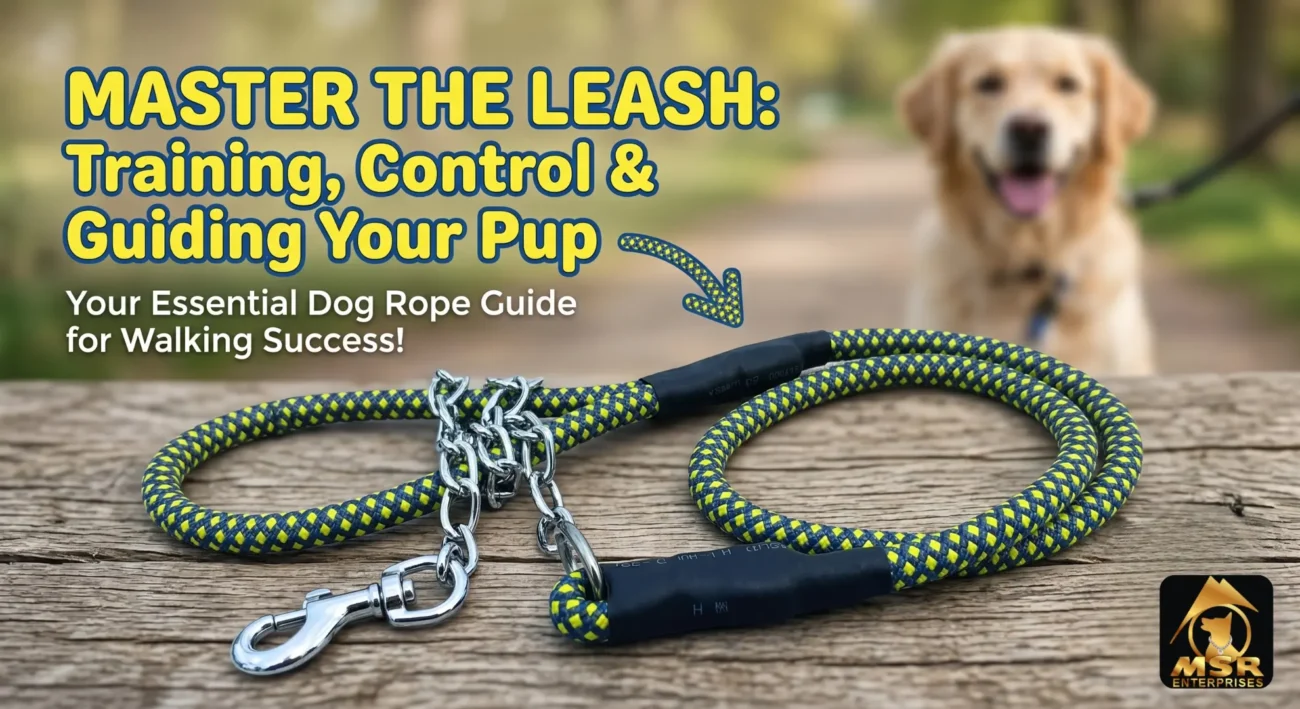
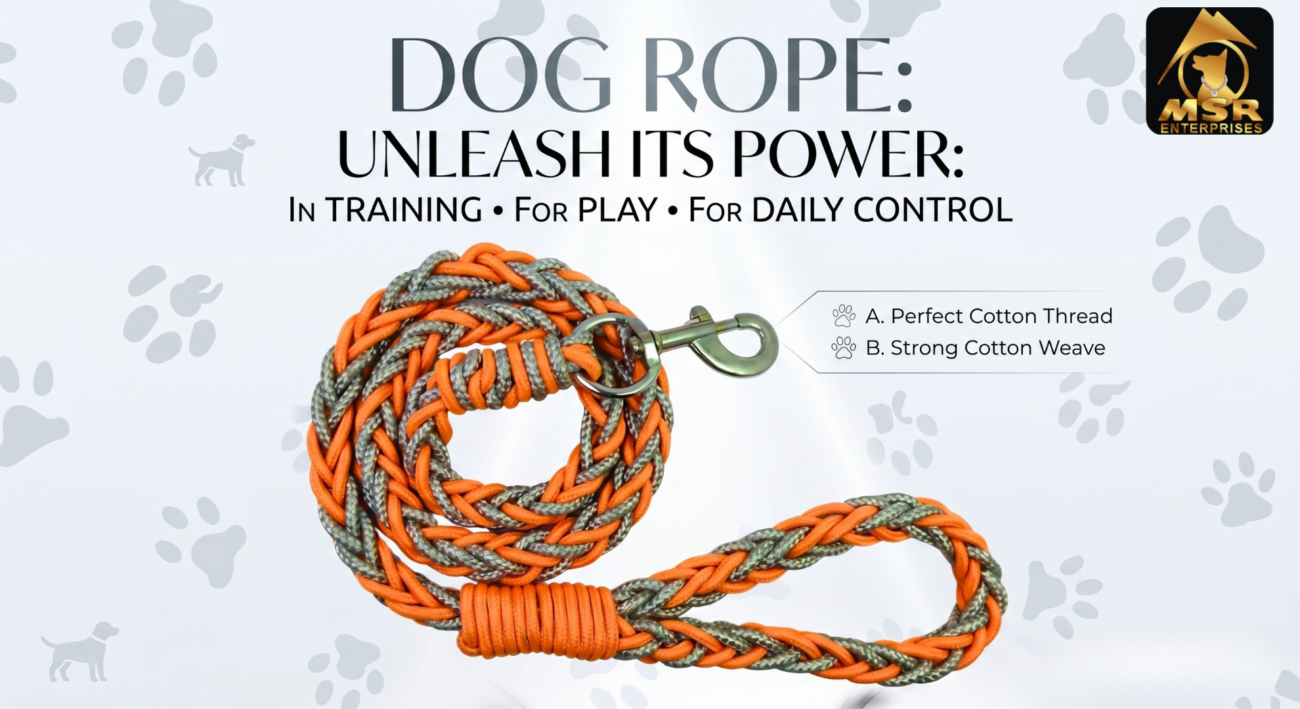
A dog rope leash is made from tightly woven fibers that are designed to withstand strong pulling pressure while maintaining flexibility and comfort. Unlike flat leashes, rope leashes are round in shape, which provides a better grip and reduces strain on your hands.
One of the main reasons why dog owners prefer rope leashes is their balance between strength and comfort. They are strong enough for large and energetic dogs, yet comfortable enough for daily use.
Explore a wide range of rope leash options here:
https://msrpetworld.com/product-category/dog-rope/
Rope leashes are especially popular in India because they:
- Perform well in rough outdoor conditions such as dust, heat, and humidity
- Offer long-lasting durability compared to cheaper alternatives
- Provide a firm and secure grip even during sudden pulls
- Are suitable for both beginners and experienced dog owners
Key Benefits of Using a Dog Rope Leash
Before diving into how to use dog rope, it is important to understand why it is considered one of the best leash options available.
1. High Strength and Durability
Rope leashes are designed to handle high tension, making them ideal for dogs that tend to pull or get excited during walks. The tightly woven fibers prevent breakage and ensure long-term use.
This makes them particularly suitable for medium to large dog breeds that require stronger control.
2. Enhanced Grip and Comfort
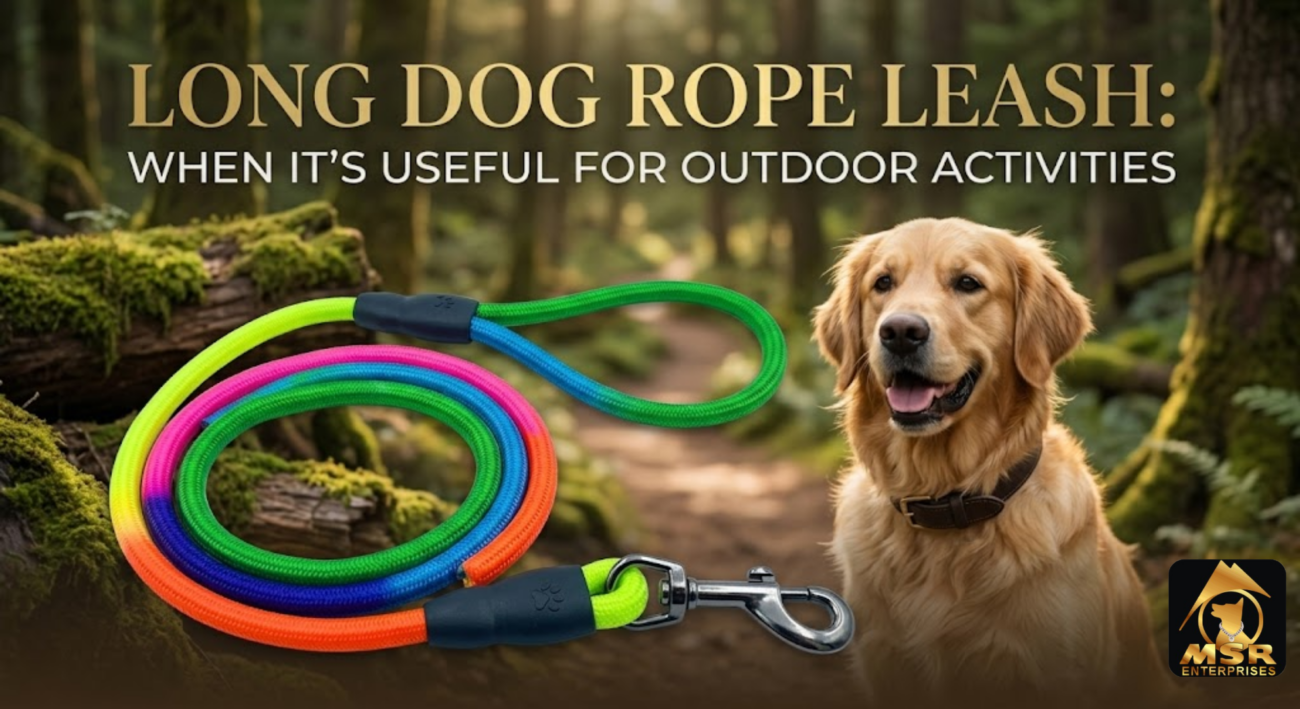
Unlike thin or flat leashes that can hurt your hands, rope leashes provide a thicker and more comfortable grip. Many modern designs include rubber or padded handles that reduce pressure on your palms.
A great example is:
https://msrpetworld.com/product/dog-rainbow-rope-leash-with-rubber-handle/
This type of leash ensures that even during long walks, your hands remain comfortable and strain-free.
3. Better Control During Walks and Training
A rope leash allows you to maintain firm control over your dog without applying excessive force. This is particularly important when training your dog to follow commands such as heel, stop, or stay.
4. Suitable for All Weather Conditions
In Indian climates, pet accessories must withstand heat, dust, and occasional rain. Rope leashes are highly resistant to environmental wear and tear, making them a practical choice for everyday use.
Step-by-Step Guide on How to Use Dog Rope Properly
Using a dog rope leash correctly requires a combination of proper handling, awareness, and consistency.
Step 1: Securely Attach the Rope to the Collar or Harness
The first and most important step is to ensure that the leash is properly attached. Always use a strong collar or harness that fits your dog comfortably.
While attaching:
- Check that the metal hook is fully locked
- Ensure there is no looseness or gap
- Test the connection by gently pulling
For maximum safety, you can use heavy-duty options like:
https://msrpetworld.com/product/msr-sport-quality-reflective-dog-ropes-leash-with-hook-heavy-duty-pet-leash-for-walking-training-durable-tangle-free-lead-for-all-breeds/
A secure attachment prevents sudden detachment and keeps your dog safe in public areas.
Step 2: Hold the Rope Leash Correctly
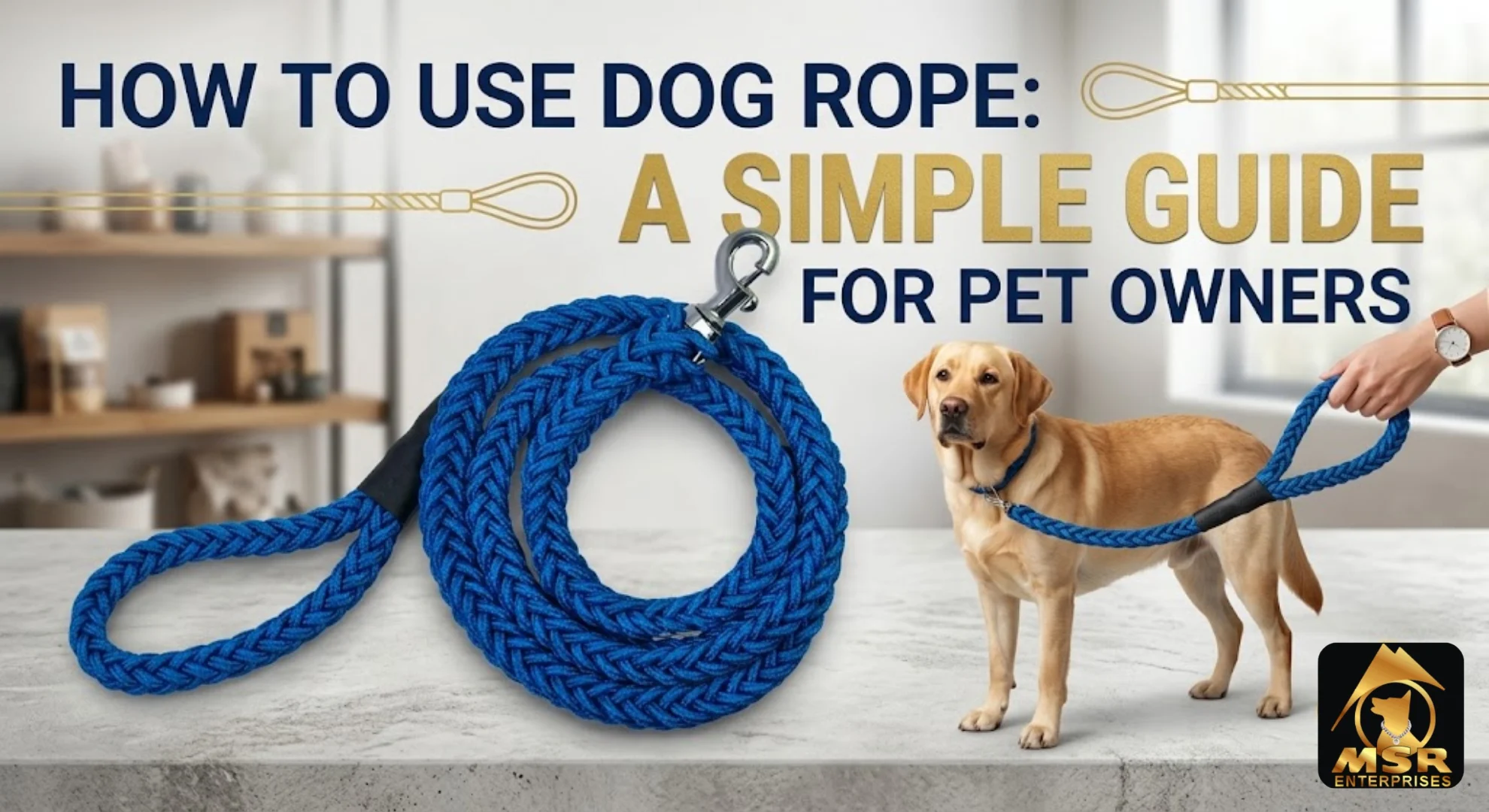
Proper grip is essential when learning how to use dog rope effectively. Always hold the main handle firmly but without excessive tension.
Important tips:
- Keep your wrist relaxed to avoid strain
- Use your dominant hand for better control
- Avoid wrapping the rope around your hand, as it can cause injury if your dog pulls suddenly
Maintaining a natural grip helps you react quickly to your dog’s movements.
Step 3: Maintain the Right Leash Length
The length of the leash plays a crucial role in control and comfort. Keeping the leash too tight can restrict your dog, while too much slack can reduce control.
Best practices:
- Use a shorter length in crowded areas like streets or markets
- Allow more length in open parks where your dog can explore safely
- Adjust the length based on your surroundings
This balance ensures both safety and freedom.
Step 4: Walk with Guidance, Not Force
One of the biggest mistakes pet owners make is pulling the leash too hard. Instead of force, focus on guidance.
You should:
- Walk at a steady pace
- Use gentle corrections when needed
- Encourage your dog to walk beside you
This approach builds trust and improves long-term behavior.
Step 5: Use the Rope Leash for Training Purposes
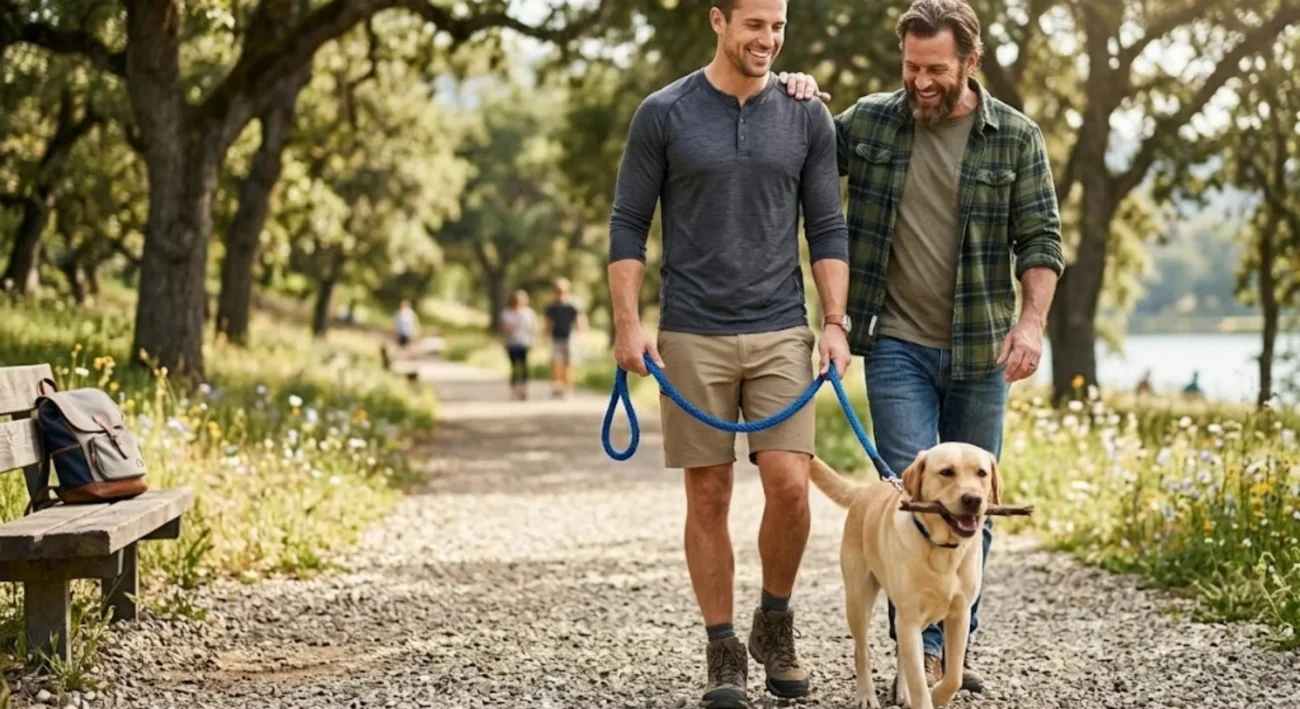
A rope leash is not just for walking—it is also an effective training tool. When used correctly, it helps reinforce discipline and commands.
You can use it to:
- Teach your dog to walk without pulling
- Practice obedience commands
- Improve focus during walks
Consistency and patience are key to successful training.
Common Mistakes to Avoid While Using a Dog Rope
Even the best leash will not be effective if used incorrectly. Avoid these common mistakes:
Wrapping the Rope Around Your Hand
This can lead to serious injuries if your dog suddenly pulls with force.
Using Poor Quality Attachments
Weak hooks or collars can break easily, increasing the risk of your dog escaping.
Allowing Excessive Slack
Too much slack reduces your ability to control your dog in unexpected situations.
Using Force Instead of Training
Pulling harshly can create fear and damage your relationship with your pet.
How to Choose the Right Dog Rope Leash
To fully understand how to use dog rope effectively, you must select the right product.
Material Quality
Always choose a leash made from strong, tightly woven rope that can handle pressure.
Handle Design
Look for padded or rubber handles for better comfort and grip.
Reflective Features
Reflective stitching improves visibility during night walks, making it safer.
Thickness and Length
Choose thickness based on your dog’s size and strength.
Explore more high-quality options here:
https://msrpetworld.com/msr-pet-world-shop-page/
Dog Rope vs Other Types of Leashes
Understanding the difference between leash types helps you make better decisions.
- Rope leash: Strong, durable, and ideal for control
- Nylon leash: Lightweight but less durable
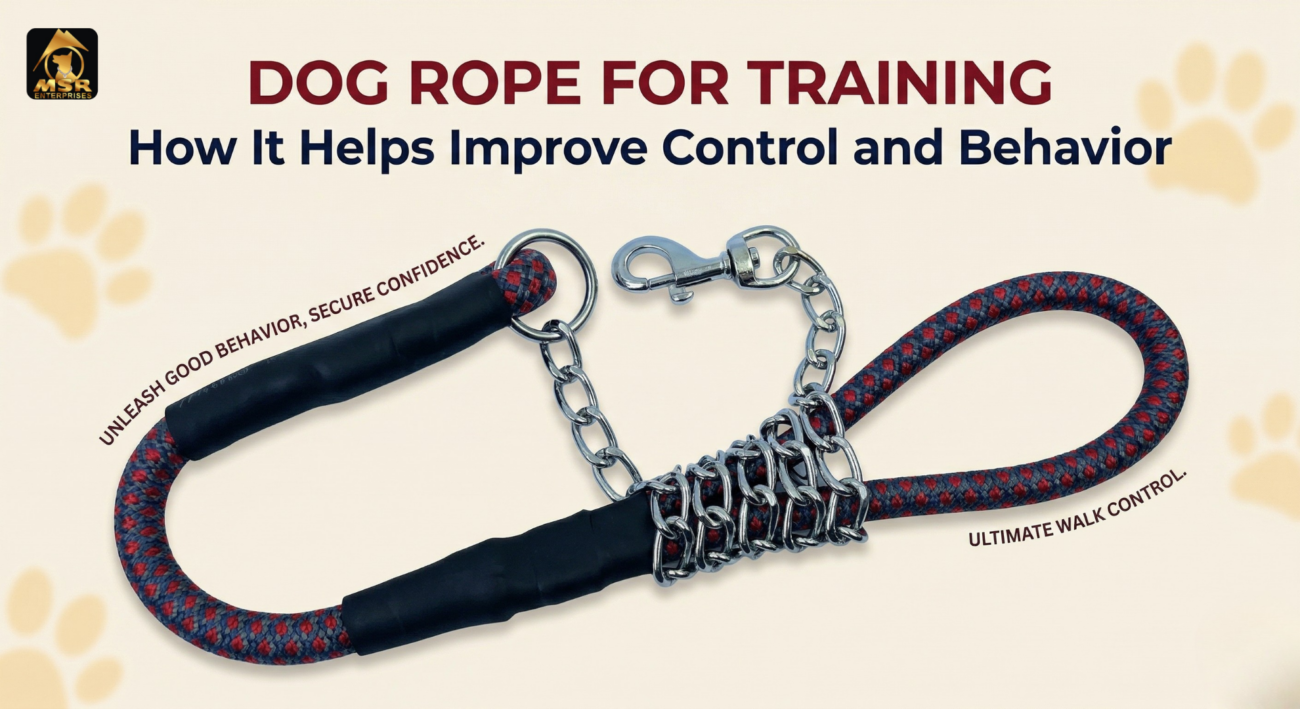
- Chain leash: Very strong but uncomfortable for long use
For most pet owners, rope leashes offer the best balance of strength and comfort.
You can also learn about leash control and design here:
https://msrpetworld.com/dog-chain-with-hook-why-attachment-design-matters-for-control/
When Should You Use a Dog Rope Leash
Dog rope leashes are versatile and suitable for multiple situations.
They are ideal for:
- Daily walking routines
- Training sessions
- Outdoor activities
- Managing energetic or strong dogs
They provide reliability and control in both urban and open environments.
Maintenance Tips for Long-Lasting Use
Proper maintenance ensures your leash remains effective and safe.
- Clean regularly to remove dirt and bacteria
- Inspect for fraying or weak spots
- Store in a dry and clean place
- Replace immediately if damaged
Taking care of your leash increases its lifespan and ensures safety.
Frequently Asked Questions (FAQs)
1. How to use dog rope for better control?
Use a firm grip, maintain proper leash length, and guide your dog with gentle corrections instead of force.
2. Is a rope leash suitable for all dog breeds?
Yes, but you should choose the thickness and strength based on your dog’s size and behavior.
3. Can beginners use a dog rope leash easily?
Yes, rope leashes are beginner-friendly and provide better grip and control compared to other types.
4. What is the ideal leash length for daily walks?
A length of 4 to 6 feet is ideal for maintaining control while allowing movement.
5. How do I stop my dog from pulling on the rope?
Use consistent training techniques such as stopping when your dog pulls and rewarding calm walking.
6. Are reflective rope leashes useful?
Yes, they improve visibility during night walks and enhance safety.
7. How often should I replace a dog rope leash?
Replace it when you notice signs of wear, fraying, or weakened hooks.